If you are considering dental implants but have been told you do not have enough jawbone, you may be wondering what bone grafting for dental implants and how it actually helps. In simple terms, bone grafting is a procedure that rebuilds or strengthens the jawbone so it can properly support an implant. Understanding what is a bone graft for dental implant treatment is helps you feel prepared and confident about your upcoming dental journey.
Bone loss in the jaw is more common than many people realise. It often occurs after tooth loss, gum disease, or trauma. When the bone shrinks, it cannot hold an implant securely. A bone graft provides a sturdy foundation, making implant placement possible and improving long-term success.
Why Bone Grafting May Be Needed
When a tooth is missing, the jawbone in that area begins shrinking because it is no longer stimulated by chewing pressure. Over time, this thinning can become significant. Dental implants rely on firm, healthy bone to integrate properly. If your bone volume is too low, an implant may loosen or fail. This is where a bone graft becomes valuable.
Your dentist may recommend bone grafting if you experience:
✔ Bone loss caused by long-term tooth absence
✔ Periodontal disease that affects the bone structure
✔ Injury or trauma to the jaw
✔ Naturally thin bone in certain areas
By addressing these issues first, implant treatment becomes safer and more predictable.
What Happens During a Bone Graft?
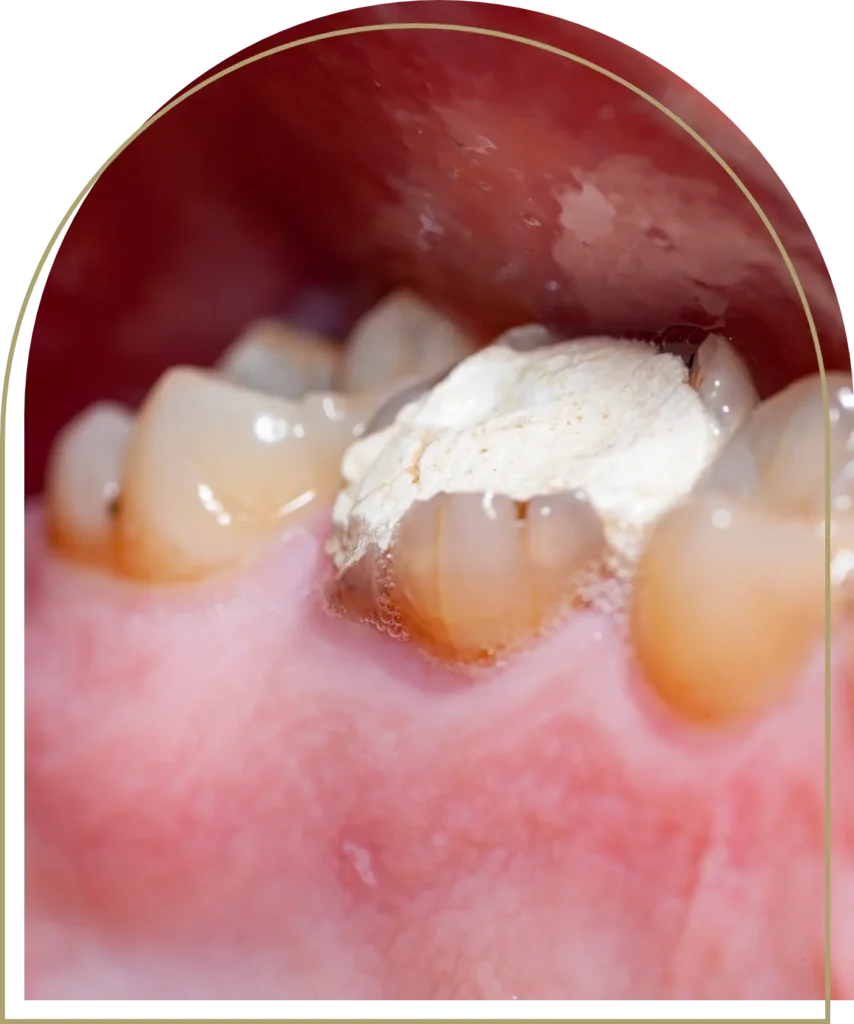
Once you understand what a bone graft for dental implant treatment is, the process feels much more straightforward. A bone graft involves placing new bone material into the area where more support is needed. This material may come from your own body, a donor source, or specially processed synthetic material. Modern grafting materials are safe, biocompatible, and widely used across Australia.
📖 People also read about:
After the graft is placed, your body begins to heal around it. Over several months, the graft encourages your natural bone to grow, creating a denser and stronger section of jawbone. When healing is complete, your jaw will be ready for a dental implant to be placed.
Different Types of Bone Grafts
Your treatment plan will depend on your unique bone structure. Common grafting techniques include:
Socket Preservation
This is performed immediately after a tooth is removed. By filling the socket with graft material, bone loss can be prevented from the start.
Sinus Lift
Used for upper back teeth where the sinus cavity limits available bone. The sinus membrane is gently lifted, and graft material is added to create enough height for implants.
Ridge Augmentation
When the bone has significantly thinned, graft material is added to widen or rebuild the ridge.
Minor Localised Grafts
These small grafts strengthen targeted sections where implants will be placed.
Your dentist will choose the option that best suits your anatomy and treatment goals.
For personalised advice and clear explanations about your options, speak with the friendly team at Advanced Dental Care Dubbo. We guide you through every step so you know exactly what to expect.
Does Bone Grafting Hurt?
Many patients are relieved to hear that bone grafting is far more comfortable than they expect. The procedure is carried out using local anaesthetic, and sedation is available if needed. Most people describe only mild discomfort afterwards, similar to a routine extraction. Pain relief is provided, and swelling typically settles within a few days.
Healing Time After Bone Grafting
The healing period varies depending on the size of the graft. Smaller grafts may heal within three to four months, while larger grafts may require six to nine months. Your dentist monitors progress through check-ups and imaging to ensure the bone is developing well.
📖 People also read about:
While the healing process takes time, it is an investment that increases the stability and lifespan of your implant.
Benefits of Bone Grafting for Implant Success
Bone grafting offers several long-lasting advantages:
✔ Creates a strong, stable foundation for implants
✔ Improves implant success rates
✔ Restores natural facial structure and prevents a sunken appearance
✔ Allows placement of implants where they would otherwise not be possible
✔ Enhances chewing strength and overall oral function
Patients often appreciate that grafting helps achieve a more natural, confident smile. If you are unsure whether you need a bone graft, Advanced Dental Care Dubbo can assess your jawbone and recommend the safest, most effective path to restoring your teeth.
Can Anyone Get a Bone Graft?
In most cases, yes. Bone grafting is suitable for adults of all ages, provided overall oral health is stable. If you have gum disease, it must be treated first. Your medical history will also be reviewed to ensure suitability. With modern dental technology, bone grafting has become a routine part of implant preparation.
How Bone Grafting Supports Dental Implants
Dental implants rely on a process called osseointegration, where the implant fuses with the bone. For this to occur successfully, the bone must be thick and dense. A bone graft boosts both density and volume, providing the perfect environment for long-term implant stability.
💡 Need help?
We offer professional dentures services to help you achieve your goals.
By learning what bone grafting for dental implants is, patients often find the treatment less intimidating. It is simply a supportive step that strengthens the jaw and ensures your implant functions just like a natural tooth.
Aftercare Tips for Bone Grafting
Proper care helps your graft heal smoothly. Dentists generally recommend:
✔ Avoiding strenuous exercise for the first few days
✔ Keeping the area clean without disturbing the graft
✔ Following your prescribed medication instructions
✔ Eating soft foods during early healing
✔ Avoiding smoking, as it slows healing
✔ Attending all follow-up appointments
Good home care plays a significant role in achieving a strong result.
Frequently Asked Questions
Is bone grafting safe?
Yes. Bone grafting is a widely performed and safe procedure when carried out by trained dental professionals.
Will I feel the graft material?
No. Once healed, the grafted bone feels completely natural and functions like your own jawbone.
Can dental implants be placed immediately after a graft?
In some cases, yes. However, many grafts require a healing period before implant placement. Your dentist will decide the best timing.
How do I know if I need a bone graft?
A dental examination and imaging, such as X-rays or 3D scans, will reveal whether your bone volume is sufficient.
Does bone grafting improve long-term implant success?
Absolutely. A strong bone foundation greatly increases implant stability and longevity.
The Way Forward
Bone grafting is a supportive and commonly used solution that helps patients receive dental implants even when bone loss has occurred. By understanding what a bone graft for dental implant treatment is, you can feel more confident moving ahead with your restorative journey. With professional planning and attentive care, bone grafting plays a key role in creating a lasting, natural-looking smile.
Ready to rebuild your smile with skilled, compassionate care? Contact Advanced Dental Care Dubbo today to book a consultation and explore your dental implant options with a team you can trust.