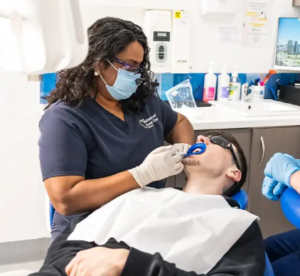

If you’ve been searching for a way to fix chipped, discoloured, or slightly imperfect teeth without committing to extensive dental work, composite bonding might be exactly what you need. This increasingly popular cosmetic dental treatment offers a minimally invasive, cost-effective solution that can change your smile in just one visit.
But what exactly is composite bonding, and how do you know if it’s the right choice for you? In this detailed guide, we’ll cover everything you need to know about this versatile dental procedure, from how it works to what you can expect during and after treatment.
In our Dubbo practice, we commonly use composite bonding to repair small chips on front teeth caused by minor accidents, sports injuries, or everyday wear. Many patients are surprised at how dramatically a subtle shape adjustment or gap closure can enhance overall facial balance. In most cases, the transformation is immediate, and patients leave their appointment smiling more confidently than when they arrived.
What Is Composite Bonding?
Composite bonding, also known as dental bonding or tooth bonding, is a cosmetic dental procedure where a tooth-coloured composite resin material is applied directly to the surface of your teeth. This specially formulated resin is then sculpted, shaped, and polished to correct various aesthetic concerns whilst blending seamlessly with your natural teeth.
The beauty of composite bonding lies in its simplicity and versatility. Unlike more invasive procedures, bonding typically requires little to no removal of your natural tooth structure, making it one of the most conservative options in modern cosmetic dentistry.
The composite resin used in this procedure is a sophisticated blend of plastic and fine glass particles. This combination creates a durable, natural-looking material that can be precisely colour-matched to your existing teeth, ensuring your results look authentic rather than artificial.
What Can Composite Bonding Fix?
Composite bonding is remarkably versatile and can address a wide range of cosmetic concerns, including:
✔ Chipped or cracked teeth from accidents or everyday wear
✔ Gaps between teeth that you’d like to close
✔ Discoloured teeth that don’t respond well to whitening treatments
✔ Misshapen or uneven teeth that affect your smile’s symmetry
✔ Worn tooth edges from grinding or ageing
✔ Minor tooth length discrepancies to create a more uniform appearance
Whilst composite bonding excels at correcting minor to moderate aesthetic issues, it may not be suitable for more extensive structural damage or severe misalignment. In those cases, your dentist might recommend alternative treatments such as crowns, veneers, or orthodontics.
The Composite Bonding Procedure: What to Expect
One of the most appealing aspects of composite bonding is its straightforward, comfortable process. Here’s what typically happens during your appointment:
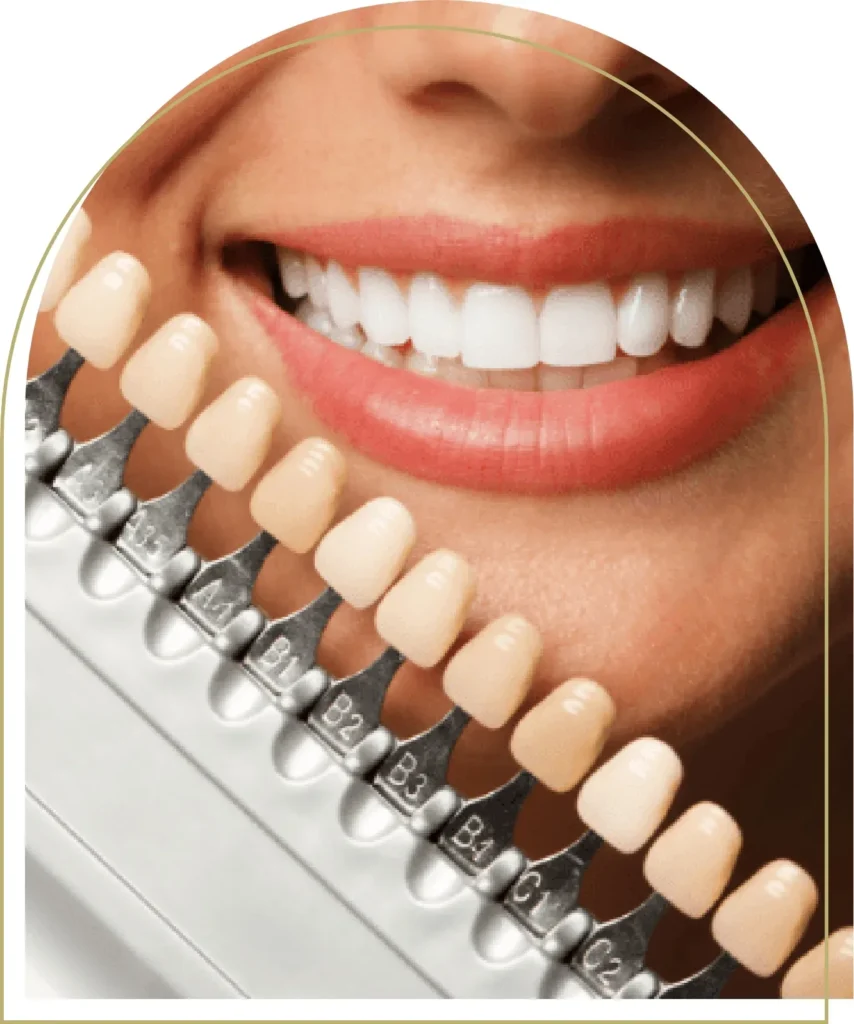
1. Initial Consultation and Colour Matching
Your dentist will begin by examining your teeth and discussing your aesthetic goals. They’ll then carefully select a shade of composite resin that matches your natural teeth, ensuring the final result blends perfectly with your smile.
2. Tooth Preparation
Unlike veneers or crowns, composite bonding usually requires minimal preparation. Your dentist will lightly roughen the surface of your tooth and apply a conditioning liquid. This creates an ideal surface for the bonding material to stick to. In most cases, anaesthesia isn’t necessary unless the bonding is being used to fill a decayed area.
3. Application and Sculpting
The tooth-coloured resin is then carefully applied to your tooth in layers. Your dentist will artfully sculpt the material to achieve the desired shape and contour, ensuring it looks natural and functions properly within your bite.
4. Curing and Hardening
A special ultraviolet or LED light is used to harden each layer of the composite material. This curing process typically takes just a few seconds per layer and bonds the resin securely to your tooth.
5. Final Shaping and Polishing
Once the composite has fully hardened, your dentist will trim, shape, and polish it until it matches the sheen of your surrounding teeth. The entire process usually takes between 30 to 60 minutes per tooth, and you can walk out with your improved smile the same day.
Composite Bonding vs Veneers: Knowing Your Options
When considering cosmetic dental treatments, many patients wonder whether composite bonding or veneers would be the better choice. Both can dramatically improve your smile, but they differ in several important ways:
Composite Bonding:
- Applied directly to your teeth in a single visit
- Minimal tooth preparation required
- More affordable option
- Can last 5-7 years with proper care
- Easily repaired if damaged
- More susceptible to staining over time

Porcelain Veneers:
- Custom-made shells crafted in a dental laboratory
- Require removal of a thin layer of tooth enamel
- Higher cost but greater longevity
- Can last 10-15 years or longer
- Highly resistant to stains
- More permanent commitment
For patients with minor cosmetic concerns who want quick, reversible results, composite bonding often represents the ideal choice. If you’re seeking a more complete smile makeover or have more serious aesthetic issues to address, veneers might be more appropriate.
The Benefits of Choosing Composite Bonding
Composite bonding offers numerous advantages that make it an attractive option for many patients:
1. Minimally Invasive: Because bonding preserves most of your natural tooth structure, it’s one of the most conservative cosmetic treatments available. This approach aligns with modern dentistry’s emphasis on preserving healthy teeth whenever possible.
2. Quick and Convenient: The entire procedure can typically be completed in just one appointment, making it perfect for patients with busy schedules.
📖 People also read about:
3. Cost-Effective: Compared to porcelain veneers or crowns, composite bonding delivers excellent aesthetic results at a more accessible price point.
4. Natural-Looking Results: When performed by a skilled dentist, bonded teeth are virtually indistinguishable from your natural teeth.
5. Reversible: Unlike some permanent cosmetic procedures, bonding can be modified or removed if your needs change in the future.
Caring for Your Bonded Teeth
Whilst composite bonding is durable, it does require proper care to maintain its appearance and longevity. Here are some essential tips:
1. Maintain Excellent Oral Hygiene: Brush twice daily with a soft-bristled toothbrush and fluoride toothpaste, and floss regularly to keep both your natural teeth and bonded areas healthy.
2. Avoid Staining Foods and Habits: Coffee, tea, red wine, and smoking can stain composite resin over time. If you consume staining beverages, rinse your mouth with water afterwards.

3. Protect Your Investment: Avoid biting down on hard objects like ice, pens, or fingernails, which could chip or damage the bonded material. If you grind your teeth at night, discuss wearing a protective night guard with your dentist.
4. Schedule Regular Dental Check-Ups: Routine visits allow your dentist to monitor the condition of your bonded teeth and address any issues before they become problems.
5. Be Mindful of Your Bite: Composite bonding isn’t as strong as natural tooth enamel, so try to avoid using your bonded teeth for particularly hard or sticky foods.
📖 People also read about:
With proper care, your composite bonding can maintain its attractive appearance for many years, giving you confidence in your smile day after day.
Is Composite Bonding Right for You?
Composite bonding works best for patients who:
- Have generally healthy teeth and gums
- Want to correct minor cosmetic imperfections
- Prefer minimally invasive treatments
- Seek quick, affordable results
- Don’t have severe bite issues or heavy grinding habits
It’s important to understand that composite bonding is not a one-size-fits-all solution. Patients with large fractures, significant decay, bite instability, or untreated gum disease may require alternative treatments before cosmetic work is considered. A comprehensive clinical examination, including bite assessment and digital imaging where required, ensures bonding is both safe and suitable for your specific case.
The best way to determine if composite bonding is suitable for your specific situation is to schedule a consultation with an experienced cosmetic dentist. They can assess your oral health, discuss your aesthetic goals, and recommend the most appropriate treatment plan for your needs.
What to Expect: Results and Longevity
Immediately after your composite bonding procedure, you’ll be able to see and appreciate your improved smile. There’s typically no recovery time needed, and you can resume normal activities right away, though your dentist may advise waiting 30-45 minutes before eating or drinking.
The longevity of composite bonding varies depending on several factors, including the location of the bonded tooth, your oral hygiene habits, and your diet. On average, composite bonding lasts between 5 to 7 years, though some patients enjoy their results for even longer with excellent care.
💡 Need help?
We offer professional dentures services to help you achieve your goals.
Minor chips or stains can often be repaired or polished out during regular dental visits, helping to extend the life of your bonding and keep your smile looking fresh.
Improve Your Smile with Advanced Dental Care Dubbo
At Advanced Dental Care Dubbo, Dr Priya Shanmugalingam (BDSc) and her experienced clinical team provide cosmetic and restorative dental treatments tailored to each patient’s needs. With over two decades of hands-on dental experience and ongoing professional development in modern adhesive dentistry techniques, our team prioritises minimally invasive treatments that protect long-term oral health while enhancing aesthetics.
Whether you’re dealing with a chipped tooth, gaps you’d like to close, or discolouration that bothers you, composite bonding might be the perfect solution. Our practice combines artistic skill with advanced dental techniques to deliver natural-looking results that improve both your appearance and your confidence.
Ready to discover if composite bonding is right for you? We invite you to book a consultation with our team or call us at (02) 6800 2682. Together, we’ll look at your options and create a personalised treatment plan that brings your smile goals to life.
How Much Does Composite Bonding Cost in Dubbo?
At Advanced Dental Care Dubbo, Dr Priya Shanmugalingam (BDSc) and her experienced clinical team provide cosmetic and restorative dental treatments tailored to each patient’s needs. With over two decades of hands-on dental experience and ongoing professional development in modern adhesive dentistry techniques, our team prioritises minimally invasive treatments that protect long-term oral health while enhancing aesthetics.Whether you’re dealing with a chipped tooth, gaps you’d like to close, or discolouration that bothers you, composite bonding might be the perfect solution.

Our practice combines artistic skill with advanced dental techniques to deliver natural-looking results that improve both your appearance and your confidence.
Ready to discover if composite bonding is right for you? We invite you to book a consultation with our team or call us at (02) 6800 2682. Together, we’ll look at your options and create a personalised treatment plan that brings your smile goals to life.
Frequently Asked Questions
Does composite bonding hurt?
In most cosmetic cases, bonding is completely painless and does not require anaesthesia. If decay is being treated, local anaesthetic may be used for comfort.
Can composite bonding stain over time?
Yes, composite resin can stain gradually, particularly with frequent coffee, tea, or red wine consumption. Professional polishing during routine check-ups can help maintain its appearance.
Can bonded teeth be whitened later?
No. Composite resin does not respond to whitening treatments. If you’re considering teeth whitening, it’s usually best to complete whitening before bonding so the resin can be colour-matched to your brighter shade.
Is composite bonding permanent?
Bonding is durable but not permanent. It typically lasts 5–7 years before maintenance or replacement may be needed.