You’ve had your wisdom teeth out, the local anaesthetic has worn off, and now your jaw feels sore, stiff, and tender. If you’re wondering whether this is normal, the short answer is yes. Pain in the jaw after wisdom teeth extraction is one of the most common things our dubbo patients ask about, and in most cases it’s simply a sign that your body is healing.
That said, knowing what’s expected and what isn’t can save you a lot of worry. Here’s a clear guide to jaw pain after wisdom teeth removal, how long it tends to last, and when it’s worth picking up the phone.
Why does your jaw hurt after extraction?
A few things are happening at once. First, there’s inflammation. Your body sends blood and immune cells to the extraction site to begin repairing the area, and that natural response makes your jaw and cheeks feel swollen and sore.
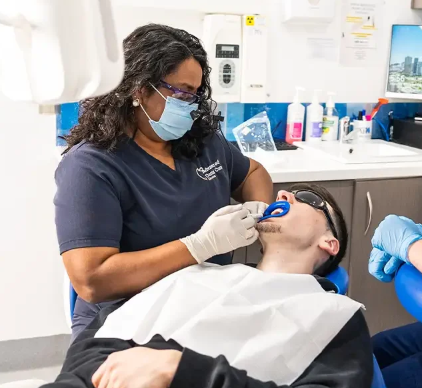
Second, there’s muscle fatigue. During the procedure you have to keep your mouth open for an extended period, which puts strain on the muscles around your temporomandibular joint (TMJ), the hinge that connects your jaw to your skull. Think of it like holding an awkward stretch for too long. Your muscles are going to complain afterwards.
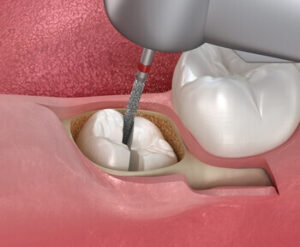
Finally, the extraction itself involves moving gum and bone tissue, and lower wisdom teeth often sit close to nerves, so some throbbing or the odd sharp twinge is normal early on.
Across the many extractions Dr Priya has performed here in Dubbo, the pattern we see most often is that surgically removed impacted teeth feel a little more tender afterwards than a simple extraction, simply because more of the surrounding tissue was involved.

How long should the pain last?
Most people follow a fairly predictable curve. Soreness and swelling tend to peak around day two, then steadily improve from there. In our experience, the significant jaw pain settles for most patients within three to five days, with mild stiffness or tenderness when opening wide sometimes lingering a little longer.
📖 People also read about:
A rough timeline looks like this. Days one and two bring swelling, bruising, and the most noticeable stiffness. By days three to five the pain starts easing, even if your jaw still feels tight.
Between days six and ten most people feel close to normal, though a little tightness can remain. After about two weeks, jaw function should be back to normal while deeper healing continues quietly beneath the gums.
How quickly you recover depends on the complexity of your extraction, how many teeth came out, and your own healing. Younger patients often bounce back faster thanks to softer bone and quicker tissue repair.
Simple ways to ease the discomfort
A few small habits make a real difference. For the first 48 hours, apply a cold pack to your jaw for 15 to 20 minutes at a time to bring down swelling.
After that, switch to a warm, moist compress to soothe tired muscles and loosen stiffness. If your jaw feels tight, gentle stretching to open your mouth helps prevent it locking up. Stick to soft foods like soup, yoghurt, scrambled eggs, and mashed potato, take any pain relief as directed, and start gentle saltwater rinses after the first day to keep the socket clean.
If problem wisdom teeth are still causing you grief or you’re weighing up a wisdom teeth removal in Dubbo, our team can walk you through exactly what to expect for your situation.
📖 People also read about:
Try to avoid smoking and drinking through straws. The suction can dislodge the protective blood clot in the socket and set your recovery back.
When to call your dentist
Most jaw pain follows a downward trend: an early peak, then steady improvement. The warning sign we tell patients to watch for is pain that gets worse after day three rather than better, or pain that returns suddenly after it had started to settle. That pattern can point to a dry socket, where the blood clot is lost too early and exposes the bone beneath. It’s uncomfortable but very treatable, so it’s worth a call rather than waiting it out.
💡 Need help?
We offer professional dentures services to help you achieve your goals.
Other reasons to reach out include a fever, swelling that keeps building, pus or a bad taste, or jaw stiffness so severe you can barely open your mouth. Lingering pain at the three-week mark also deserves a closer look, as it can occasionally signal infection or a TMJ issue rather than normal healing.
Sore, stiff, and tender for a few days is part of the process. Pain that climbs instead of fading is your cue to get checked.

Recovering in Dubbo? We're here to help
If your jaw pain isn’t settling the way it should, or you’d simply like reassurance from an experienced local team, Dr Priya Shanmugalingam and the team at Advanced Dental Care Dubbo are happy to help.
Get in touch with us or call (02) 6800 2682 to arrange a check, and we’ll make sure your recovery stays on track.