

Tooth loss can affect more than just how your smile looks. It can make eating difficult, speaking uncomfortable, and even impact your self-esteem. While traditional dentures have long been a solution for replacing missing teeth, they often come with challenges like slipping, irritation, and reduced chewing power. Many people are turning to implant-supported dentures as a more stable, functional, and natural-looking alternative.
This guide explores how implant supported dentures work, their benefits, the treatment process, and whether they might be the right tooth replacement option for you.
What Are Implant-Supported Dentures?
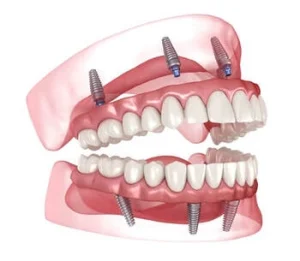 Implant-supported dentures are dentures that attach securely to dental implants placed in your jawbone. Unlike traditional dentures that sit directly on the gums and depend on suction or adhesive for support, supported dentures are secured to dental implants, offering a far stronger and more stable base. They not only improve function and appearance but also help preserve jawbone health.
Implant-supported dentures generally come in two primary types:
- Removable implant dentures: These snap onto implants and can be taken out for cleaning.
- Fixed implant-supported dentures, or permanent dentures, stay in place and are only removable by a dentist.
How the Treatment Works: Step-by-Step to a New Smile
The process of receiving implant-supported dentures involves several stages and requires thorough planning and patience. The result, however, is a long-lasting solution that looks and feels like natural teeth.
1. Assessment and Treatment Planning
Your dentist will begin by assessing your mouth, gums, and jawbone through X-rays or 3D scans. Having enough bone is crucial for successful implant placement. If significant bone loss is present, a bone graft may be needed to build up the jawbone before proceeding with treatment.
2. Implant Surgery
During this surgical procedure, titanium dental implants are placed into the jawbone. Typically, two to six implants are used for each arch, depending on whether teeth are replaced in the upper or lower jaw. Over the next few months, the implants fuse with the jawbone in a process known as osseointegration, creating a strong base for the denture.
3. Denture Attachment
After healing, a second surgery may be needed to expose the implants and place abutments. Your custom-made final denture is then attached to the implants, resulting in a secure fit that functions like natural teeth.
Why Choose Implant-Supported Dentures Instead of Traditional Ones
While conventional dentures can restore your smile, they often have drawbacks such as slipping, reduced bite strength, and gum irritation. Implant-supported dentures provide numerous advantages, making them a popular choice for many individuals:
- Secure fit: Because the denture is anchored to implants, it stays firmly in place without slipping.
- Natural feel and function: Implant dentures allow you to bite and chew more comfortably, much like natural teeth.
- Bone preservation: Dental implants encourage jawbone stimulation, which helps prevent additional bone loss and supports natural facial structure.
- Improved comfort: They put less pressure on the gum tissue, reducing discomfort and sore spots.
- Durability: When well maintained, implant supported dentures can last for many years, making them a cost effective long-term solution.
Types of Implant-Supported Denture Options
There are multiple options to choose from, and the most suitable one will depend on your specific needs, budget, and oral health.
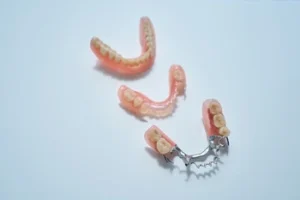 Removable Implant Overdentures
These dentures are designed to be removed for daily cleaning. Supported by two implants or more, they offer greater stability than traditional removable dentures while still being easy to maintain.
Fixed Implant Supported Dentures
Fixed implant dentures are permanently attached and feel closest to natural teeth. They offer superior bite strength and stability but may require more implants and a higher initial cost.
Implant Retained Dentures
These dentures are held in place by special attachments on the implants. They are secure yet removable, combining convenience with improved function.
Could Implant-Supported Dentures Be the Right Choice for You?
Implant-supported dentures are suitable for many people, but certain conditions need to be met. Ideal candidates typically:
- Have enough jawbone to support implants, or are willing to undergo bone grafting.
- Are in good overall health condition to undergo a surgical procedure
- Are missing several teeth or an entire arch
- Want a stable, long-term solution to replace missing teeth.
A thorough assessment by your dentist will reveal whether this treatment is the most suitable option for your smile and oral health.
Breaking Down the Costs: What to Expect
The total cost of implant-supported dentures depends on factors such as the number of implants, the need for bone grafting, the type of denture chosen, and the complexity of the surgical procedure. Although the initial cost is higher than that of traditional dentures, the enhanced comfort, secure fit, and prolonged oral health benefits often make them a valuable investment.
Caring for Your Implant-Supported Dentures
Proper care helps prolong the lifespan of your implant dentures and supports your overall dental health. Here are some key tips:
- Brush and floss every day to maintain healthy gums and keep your implants clean.
- Schedule regular check-ups with your dentist for maintenance and professional cleaning
- If you wear removable dentures, make sure to clean them thoroughly every day.
- Avoid biting on hard foods that could damage the denture or implants
Long-Term Benefits for Oral and Jawbone Health
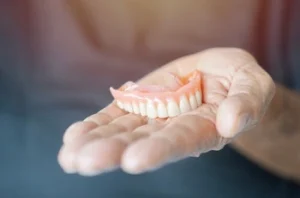 One of the greatest benefits of implant supported dentures is the way they support jawbone health. Unlike traditional dentures, they stimulate the jawbone, helping to prevent bone loss and reduce changes to your facial structure. Dental implants, however, encourage bone preservation and maintain the natural shape of your face.
They also allow you to enjoy a varied diet, speak clearly, and confidently smile. Because they look and function like natural teeth, many people forget they’re even wearing dentures at all.
Wrapping Up: Is This the Right Solution for Your Smile?
Implant-supported dentures are a game-changing solution for those dealing with multiple missing teeth. They offer improved stability, a more natural feel, and long-term oral health benefits compared to conventional dentures. Whether you choose removable implant overdentures or fixed implant-supported dentures, you’ll enjoy enhanced comfort, better functionality, and renewed confidence in your smile.
If you’re exploring teeth replacement options and want a more reliable and long-lasting solution than traditional dentures, talk to your dentist about whether implant-supported dentures are suitable for you. With the right care and professional guidance, they can provide a beautiful, functional smile for many years to come.
If you’re considering implant-supported dentures and want a personalised treatment plan, contact Advanced Dental Care at (02) 6188 7103 to book a consultation.
Note: Any surgical or invasive procedure carries risks. Before proceeding, you should seek a second opinion from an appropriately qualified health practitioner.
References
Cleveland Clinic. (n.d.). Implant-supported dentures. Retrieved from https://my.clevelandclinic.org/health/treatments/24303-implant-supported-dentures
Mayo Clinic. (n.d.). Dental implants. Retrieved from https://www.mayoclinic.org/healthy-lifestyle/adult-health/in-depth/dental/art-20047475
Feine, J. S., Carlsson, G. E., Awad, M. A., Chehade, A., Duncan, W. J., Gizani, S., Head, T., Lund, J. P., MacEntee, M., Mericske-Stern, R., Mojon, P., Morais, J. A., Naert, I., Payne, A. G., Penrod, J., Stoker, G. T., Tawse-Smith, A., Taylor, T. D., Thomason, J. M., … Zarb, G. A. (2002). The McGill consensus statement on overdentures. International Journal of Prosthodontics, 15(4), 413–414. https://pubmed.ncbi.nlm.nih.gov/15850992/