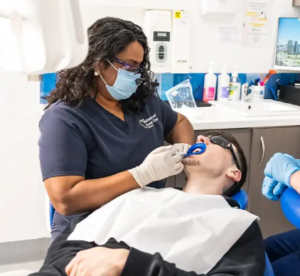
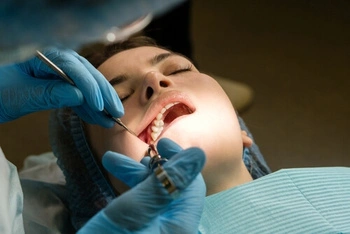
If you’ve invested in dental implants or are considering them, you’re probably wondering: how long will they actually last? It’s a fair question, especially given the commitment involved. The good news is that with proper care and regular dental visits, dental implants can last 20 years or more, and in many cases, they can serve you for a lifetime.
At Advanced Dental Care Dubbo, Dr Priya Shanmugalingam has helped countless patients across Dubbo and the Central West region restore their smiles with implants-dubbo/">dental implants. With over 20 years of implant dentistry experience, including training from the Brener Implant Institute and the California Implant Institute, she understands exactly what it takes to ensure your implants stand the test of time.
Understanding Dental Implant Lifespan
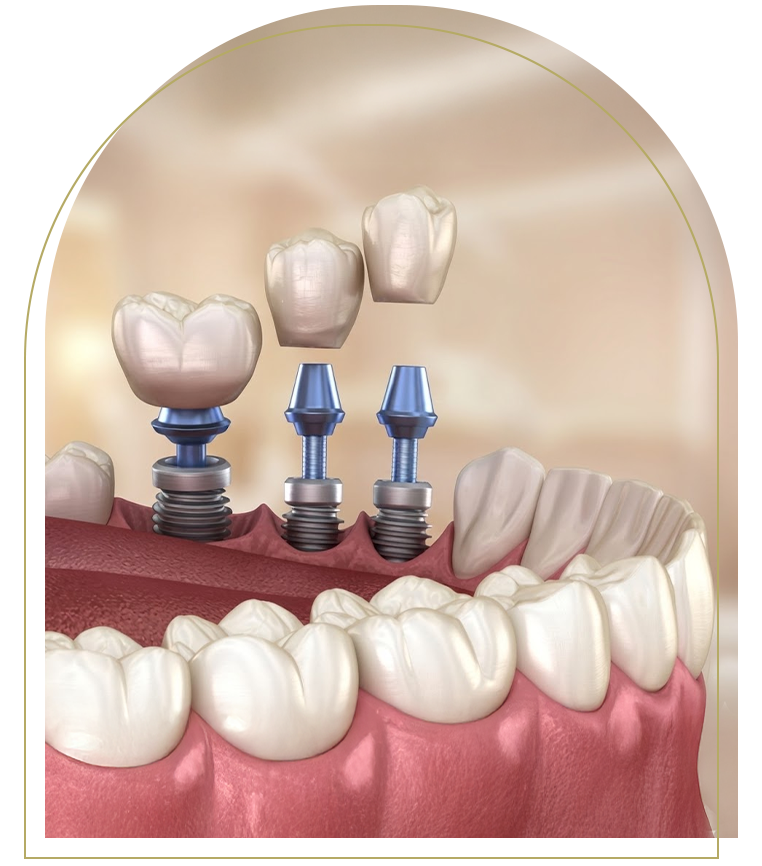
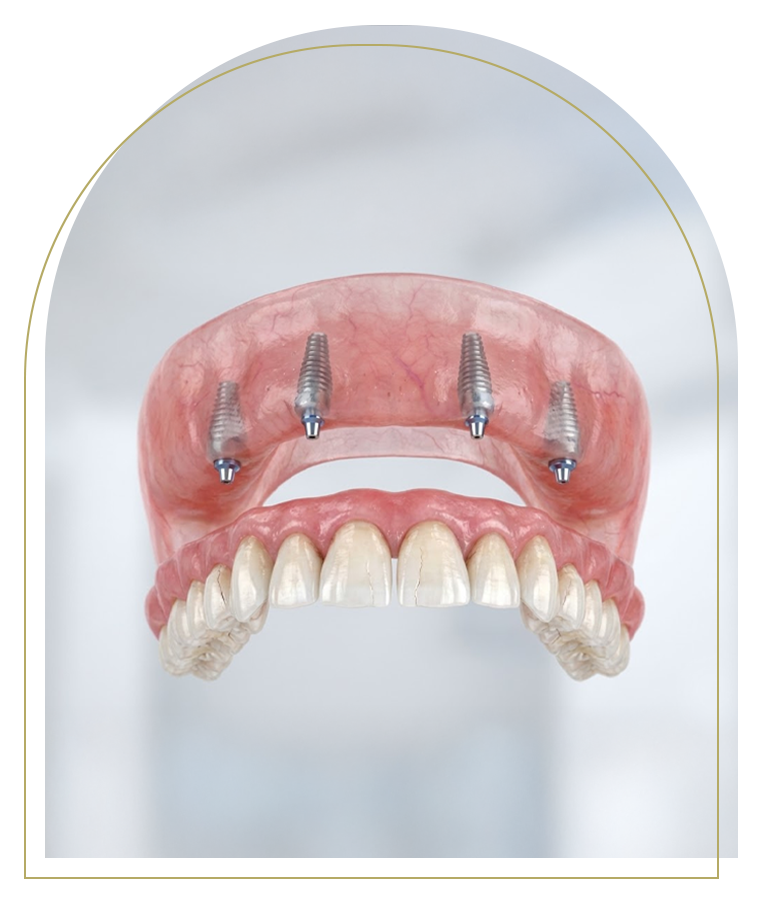
A dental implant consists of three main components: the titanium post (which acts as an artificial tooth root), the abutment (connector piece), and the crown (visible tooth portion). Understanding how long each part lasts helps you know what to expect.
The titanium implant post itself is incredibly durable. Once it fuses with your jawbone through a process called osseointegration, it can genuinely last a lifetime with appropriate care. Studies show that properly maintained implants have success rates exceeding 95% even after 20 years.
The crown attached to your implant typically needs replacement every 10 to 15 years because of normal wear and tear. Think of it like replacing tyres on a car—the vehicle itself remains sound, but certain components require periodic renewal.
What Affects How Long Your Dental Implants Last?
Several factors influence implant longevity, and the good news is that many of them are within your control.
1. Oral Hygiene Practices
Your daily oral care routine plays the biggest role in how long your implants last. Poor oral hygiene can lead to peri-implantitis, an inflammatory condition affecting the tissues around implants, which can cause implant failure.
Brushing twice daily, flossing regularly, and using interdental brushes to clean around the implant crown are non-negotiable habits. Just because your implant can’t develop cavities doesn’t mean the surrounding gum tissue and bone are immune to bacterial infection.
2. Lifestyle Factors
Smoking is one of the biggest threats to implant longevity, potentially reducing lifespan by up to 50%. Tobacco use restricts blood flow to the gums, hampering the healing process and preventing proper osseointegration. It also increases your risk of gum disease and implant infection.
📖 People also read about:
Similarly, teeth grinding (bruxism) places excessive force on implants, particularly those in the back of your mouth. If you grind your teeth at night, a custom-fitted mouthguard can protect your investment and extend the life of your implants considerably.
3. Overall Health Conditions
Certain chronic health conditions can affect implant success. Uncontrolled diabetes, for instance, slows healing and can compromise the bone growth necessary to support your implants. Autoimmune disorders and bone diseases may also impact how well your body accepts and maintains dental implants.
📖 People also read about:
If you have any chronic health conditions, keep them well-managed and inform Dr Priya during your consultation. She can then create a treatment plan tailored to your specific needs and health profile.
4. Implant Location and Quality
Implants placed in your back teeth (molars) experience greater chewing forces than those in the front, which can lead to faster wear of the crown. This doesn’t mean back implants fail more often—it simply means the crown component may need replacement sooner.
💡 Need help?
We offer professional dentures services to help you achieve your goals.
The expertise of your dentist also matters enormously. Dr Priya’s meticulous planning process includes comprehensive oral examinations and 3D scans to ensure precise implant placement, which significantly improves long-term success rates.
Essential Care Tips to Maximise Implant Longevity
Caring for your dental implants doesn’t require complicated routines, but consistency is key. Here are proven strategies to help your implants last as long as possible:
Maintain excellent oral hygiene. Brush your teeth twice daily with a soft-bristled toothbrush, paying special attention to the gum line around your implants. Use a low-abrasive toothpaste to avoid scratching the crown surface.
Clean between teeth daily. Floss or use interdental brushes to remove plaque and food particles from areas your toothbrush can’t reach. Your hygienist can recommend the best interdental cleaning tools for your specific implant restoration.
Schedule regular dental check-ups. Visit Advanced Dental Care Dubbo every six months (or as recommended by Dr Priya) for professional cleanings and examinations. These appointments allow early detection of any issues before they become serious problems.
Avoid damaging habits. Don’t use your teeth as tools to open packages or crack hard foods like ice. If you play contact sports, wear a protective mouthguard to shield your implants from trauma.
Quit smoking. If you smoke, quitting is the single most impactful change you can make to protect your implants and overall oral health. Dr Priya can connect you with resources to support your journey.
Eat a balanced diet. Proper nutrition supports bone health and your immune system, both necessary for maintaining healthy tissue around your implants. Foods rich in calcium, vitamin D, and protein are particularly beneficial.
Warning Signs: When to See Your Dubbo Dentist
While dental implants are remarkably reliable, you should know the signs that warrant professional attention. Contact Advanced Dental Care Dubbo if you experience:
✔ Persistent discomfort or pain around the implant site
✔ Swelling, redness, or bleeding gums near your implant
✔ A loose feeling when touching the implant crown
✔ Difficulty chewing or changes in your bite
✔ Visible recession of gum tissue around the implant
✔ Any unusual discharge or persistent bad taste
Early intervention is necessary for addressing potential complications. What might be a minor issue if caught early can become a significant problem if left untreated. Dr Priya and her team at Advanced Dental Care Dubbo are always available to assess any concerns and provide prompt, effective treatment.
Living in regional New South Wales means you might have limited access to specialist dental care, which makes choosing an experienced implant dentist like Dr Priya even more important. Her extensive training and commitment to ongoing professional development ensure Dubbo residents receive the same quality of implant care available in major metropolitan centres.
Protecting Your Smile Investment
Dental implants represent a significant investment in your oral health, confidence, and quality of life. The question isn’t just how long they can last, but rather how well you’ll care for them to maximise their lifespan.
With proper maintenance, regular professional care, and healthy lifestyle choices, your dental implants have every chance of lasting 20 years, 30 years, or even a lifetime. The titanium posts themselves are built for permanence, while crown replacements are a simple, routine procedure when eventually needed.
Ready to learn more about caring for your dental implants or considering implants for missing teeth? Contact Advanced Dental Care Dubbo today at (02) 6188 7103 to schedule a consultation with Dr Priya Shanmugalingam. With over two decades of experience and a patient-focused approach, she’ll provide personalised guidance to help your smile last a lifetime.
Note: Any surgical or invasive procedure carries risks. Before proceeding, you should seek a second opinion from an appropriately qualified health practitioner.