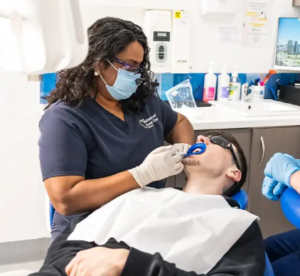

If you’ve been considering composite bonding to improve your smile, you’ve probably come across some conflicting information online. One of the most common concerns we hear at Advanced dental Care Dubbo is whether composite bonding damages teeth. It’s a fair question, and today we’re going to separate the facts from the myths so you can make a confident choice about your dental health.
Medically Reviewed by Dr Priya Shanmugalingam (BDSc)
This article has been reviewed by Dr Priya Shanmugalingam, Principal Dentist at Advanced Dental Care dubbo. Dr Priya has extensive experience in cosmetic and restorative dentistry, including composite bonding, veneers and minimally invasive smile enhancement treatments. Our content is written to reflect current Australian dental guidelines and clinical best practice.
Understanding Composite Bonding
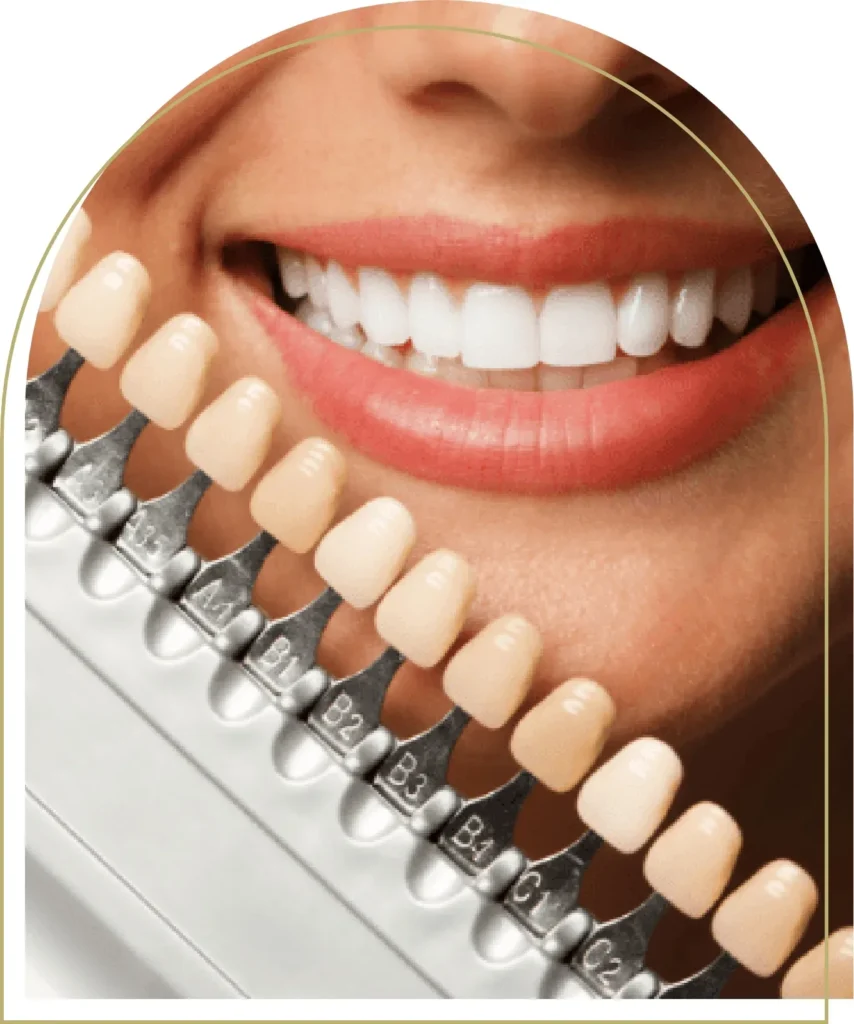
Before we tackle the damage question, let’s clarify what composite bonding actually is. Composite bonding is a cosmetic dental procedure where a tooth-coloured resin material is applied to your tooth’s surface and hardened with a special UV light. This treatment is commonly used to repair chipped teeth, close small gaps, reshape uneven teeth, and cover discolouration that doesn’t respond well to whitening treatments.
The procedure is remarkably straightforward. Your dentist will slightly roughen the tooth’s surface, apply a conditioning agent to help the resin

bond properly, then carefully sculpt the composite material to achieve the desired shape. Once hardened with UV light, the bonded area is polished to match the natural sheen of your surrounding teeth.
Myth 1: Composite Bonding Weakens Your Natural Teeth
The Reality: This is one of the biggest misconceptions about composite bonding. The truth is that composite bonding is actually one of the least invasive cosmetic dental procedures available. Unlike veneers or crowns, which require removing a significant amount of tooth enamel, bonding preserves most of your natural tooth structure.
The dentist only needs to slightly roughen the tooth surface to help the bonding material stick properly. This minimal preparation doesn’t compromise the strength of your tooth. In fact, the composite resin adds an extra layer of protection to your tooth, potentially strengthening it rather than weakening it..
Myth 2: Your Teeth Will Decay Under the Bonding
The Reality: Composite bonding itself does not cause tooth decay. Like any dental treatment though, proper oral hygiene is essential. The real risk isn’t from the bonding material, but from neglecting your dental care routine.
If plaque and bacteria build up around the edges of the bonded area due to poor brushing and flossing habits, decay can develop. This is the same risk you face with your natural teeth. The key is sticking to excellent oral hygiene practices, including:
1. Brushing twice daily with fluoride toothpaste
2. Flossing daily to remove plaque between teeth
3. Attending regular dental check-ups and professional cleanings
4. Limiting sugary and acidic foods that promote decay
With proper care, your bonded teeth should remain just as healthy as your natural teeth.
Myth 3: Removing Bonding Will Damage Your Enamel
The Reality: One of the major advantages of composite bonding is that it’s a reversible treatment. Because the procedure requires minimal tooth preparation, removing the bonding material doesn’t typically cause damage to your natural enamel, as long as it’s done properly by a qualified dental professional.
📖 People also read about:
This reversibility is a significant benefit compared to other cosmetic options. If you decide later that you want to try a different treatment like porcelain veneers, or if the bonding needs replacing, your dentist can safely remove the composite resin without harming your underlying tooth structure.
Myth 4: Bonding Makes Your Teeth More Sensitive
The Reality: Most patients experience little to no discomfort during or after the bonding procedure. Because it’s minimally invasive and typically doesn’t require anaesthesia, you shouldn’t expect increased tooth sensitivity as a direct result of the treatment.
That said, some temporary sensitivity can occur if the bonding was placed near the gum line or on an area with existing sensitivity. This usually clears up within a few days. If sensitivity continues, check in with your dentist, as this may point to an underlying issue unrelated to the bonding itself.

The Real Facts About Composite Bonding
In our Dubbo clinic, we regularly see patients who are concerned about damaging healthy enamel. In most cases, they are surprised to learn that composite bonding requires little to no drilling and is often completed without anaesthetic. When properly maintained, we have patients whose bonding has lasted well beyond five years with no impact on the health of their underlying tooth structure.
Now that we’ve busted the myths, let’s look at what composite bonding actually does for your teeth:
1. It Protects Vulnerable Areas
Composite bonding can actually protect teeth with minor damage. If you have a small chip or crack, the bonding material seals the damaged area and prevents further deterioration. This protective layer can help stop bacteria from entering the tooth and causing decay or infection.
📖 People also read about:
2. It’s a Conservative Treatment Option
In modern dentistry, the goal is to preserve as much natural tooth structure as possible. Composite bonding fits perfectly with this philosophy. It allows dentists to make aesthetic improvements without unnecessarily removing healthy tooth enamel.
3. It Requires No Recovery Time
Unlike more invasive procedures, bonding typically doesn’t require any recovery period. You can return to your normal activities immediately after your appointment, and the bonded area is immediately functional.
What You Should Know About Bonding Longevity
While composite bonding doesn’t damage teeth, the material itself isn’t as durable as your natural enamel or other restorative options like porcelain. The bonded area can chip or stain over time, especially if you:
- Bite on hard objects like ice, pens, or fingernails
- Consume excessive amounts of staining foods and beverages (coffee, red wine, tea)
- Smoke cigarettes
- Use your teeth as tools
With proper care, composite bonding typically lasts between three to ten years, depending on the location in your mouth and your oral habits. When the bonding does need replacing, your dentist can simply remove the old material and apply fresh resin without damaging your natural tooth.
When Composite Bonding May Not Be Suitable
While composite bonding is safe for most patients, it may not be ideal if you have untreated decay, active gum disease, severe teeth grinding (bruxism), or very large structural damage. In these situations, addressing underlying oral health issues first is essential to prevent complications. A comprehensive dental examination is always required before proceeding with cosmetic treatment.
Making the Right Decision for Your Smile
Composite bonding is an excellent option for patients seeking to improve minor cosmetic concerns quickly and affordably. It’s particularly well-suited for those who:
- Want to preserve their natural tooth structure
- Are looking for a cost-effective cosmetic solution
- Prefer a treatment that can be completed in a single visit
- Have good oral hygiene habits
That said, bonding may not be the best choice for everyone. If you have extensive damage, severe discolouration, or if you’re a heavy teeth grinder, your dentist might recommend alternative treatments like porcelain veneers or crowns that offer greater durability.
Your Next Steps
The bottom line is clear: composite bonding does not damage your teeth when performed by a qualified dentist and properly maintained. In fact, it can protect and enhance your smile while preserving your natural tooth structure.
💡 Need help?
We offer professional dentures services to help you achieve your goals.
If you’re considering composite bonding or have concerns about existing dental work, the experienced team at Advanced Dental Care Dubbo is here to help. Dr Priya Shanmugalingam and her team take a holistic approach to dentistry, putting your long-term oral health first with comprehensive treatment plans.
Ready to achieve the confident smile you deserve? Book a consultation with Advanced Dental Care Dubbo or call us at (02) 6800 2682 to discuss whether composite bonding is right for you.
Frequently Asked Questions
Is composite bonding safe for enamel?
Yes. Because minimal preparation is required, bonding is considered one of the most enamel-preserving cosmetic treatments available.
How long does composite bonding last?
With good oral hygiene and regular dental visits, bonding typically lasts 3–10 years.
Can composite bonding be removed?
Yes. In most cases, bonding can be safely removed or replaced without damaging the natural tooth when performed by a qualified dentist.
Does composite bonding hurt?
The procedure is usually painless and rarely requires anaesthetic.