

If you’ve been living with missing teeth or struggling with uncomfortable dentures, you’ve probably wondered if there’s such a thing as dentures you can wear all the time. The good news is, yes, there are! Thanks to advancements in dental technology, it’s now possible to enjoy dentures that feel, function, and look much like natural teeth. These are commonly known as implant-supported dentures or fixed dentures, and they’ve transformed the way patients experience life after tooth loss.
In this article, we’ll explore what makes these permanent dentures so different from traditional ones, how they’re secured using dental implants, and why they could be the perfect solution for long-term oral health and confidence.
So, Can You Really Wear Dentures All the Time?
Absolutely. Modern dentistry now offers dentures that you can wear all the time, unlike traditional removable dentures that need to be taken out at night or for cleaning. These advanced options, like implant-retained dentures and hybrid dentures, are designed to stay in your mouth securely, giving you greater freedom, function, and comfort.
These aren’t your grandma’s conventional dentures. They’re far more stable, don’t rely solely on suction or adhesives, and won’t slide around when you eat or talk. Whether you’re missing a few teeth or a full arch, there are long-term solutions tailored to suit your needs.
Why Choose Dentures You Can Wear All the Time?
Let’s face it: Traditional removable dentures can come with a host of challenges. From slipping during meals to irritating your gums or impacting your upper palate, they can affect both your quality of life and your self-esteem.
 Dentures designed to be worn all the time provide:
- Strong biting power for a wider range of food
- Improved stability during talking, chewing, and laughing
- Natural appearance, closely matching the look of real teeth
- No messy adhesives
- Better preservation of facial structure and jaw health
They not only replace missing teeth but support the underlying facial muscles, maintaining your facial structure and preventing that sunken look that often comes with long-term bone loss.
How Do These All-Day Dentures Work?
Their effectiveness comes from the use of dental implants. Instead of simply resting on the gums like traditional dentures, implant dentures are securely attached to the jawbone through implants that are surgically placed beneath the gum line.
Depending on your case, your dentist may use:
- Four implants to support a full arch
- A series of implants to hold partial dentures
- Or a combination approach for upper and lower dentures
Once these implants fuse with your bone, a process called osseointegration acts like artificial tooth roots, holding your denture in place firmly and reliably.
Types of Dentures That You Can Wear All the Time
There’s more than one type of fixed or non-removable denture solution. Here are the most common options:
1. Implant Retained Dentures
These are removable by your dentist, but not by you. They’re supported by two or more dental implants, offering much more security than traditional options. Ideal for patients who want a semi-permanent solution.
2. Implant-Supported Fixed Dentures (Hybrid Dentures)
These are permanent dentures that stay in your mouth and are only removed during dental visits. They are attached with screws to multiple implants, offering a highly stable solution that functions like natural teeth.
3. Partial Dentures with Implants
If you’re only missing a few teeth, you may benefit from a partial denture secured by implants. These can be fixed or removable and provide a seamless fit with your remaining natural teeth.
What Are the Benefits of Implant Dentures?
Choosing dentures that you can wear all the time comes with numerous advantages for both your comfort and your oral health.
- Preserve Bone Density: Implants help prevent accelerated bone loss by stimulating the jawbone.
- Restores Strong Bite Force: You can enjoy apples, steak, and other tough foods without fear.
- Looks and Feels Natural: Many patients say their implant denture looks just like their old teeth, only better.
- No Slipping or Clicking: Your denture stays put, even during a big laugh.
- Boosts Confidence: Feel good about your smile again every day.
Who’s a Good Candidate for Fixed Dentures?
While these modern denture options offer life-changing results, not everyone is automatically eligible. You’ll need enough healthy bone density to support the implants. However, if you’ve experienced bone loss, your dentist might recommend bone grafting or alternative implant placement strategies.
You’re likely a good candidate if:
- You have multiple missing teeth or complete tooth loss
- You’re tired of loose, uncomfortable traditional dentures
- You have healthy gums and overall good health
- You’re looking for a long-term, secure solution
What’s the Process Like?
Getting implant-supported dentures is a bit more involved than regular dentures, but the benefits are well worth the effort.
Step 1: Consultation and Imaging
Your dentist will assess your mouth, gums, and jaw using scans or X-rays to determine whether you’re a good candidate for implants.
Step 2: Surgical Placement of Dental Implants
The dental implants surgically placed in your jawbone will take a few months to integrate fully.
Step 3: Healing and Temporary Dentures
You may wear temporary dentures while your implants heal and bond with your jaw.
Step 4: Final Denture Fitting
Once healing is complete, your permanent implant denture will be attached, checked for comfort, and adjusted to your bite.
How to Care for Dentures You Wear All the Time
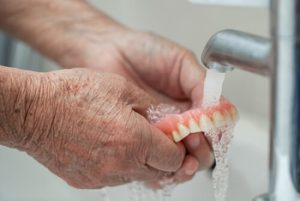 Even though these dentures stay in your mouth, they still require proper care. Here’s how to keep them in great shape:
- Brush your dentures and gums daily with a soft toothbrush
- Use water flossers or specialised brushes to clean around the implants
- Attend regular check-ups with your dentist
- Avoid chewing ice, pens, or hard sweets to protect the teeth and implants
With the right care, implant dentures can last 10 years or more, and the implants themselves may last a lifetime.
Are There Any Downsides?
As with any procedure, it’s important to consider the full picture.
- Cost: Implant dentures are more expensive than conventional dentures, but they’re also a long-term investment.
- Surgery: Since the process involves minor surgery, some people may not be suitable due to health concerns.
- Healing Time: You’ll need a few months for the implants to heal before the final denture can be placed.
Your dentist will guide you through all the options and help you weigh the benefits against any risks based on your situation.
Final Thoughts: Is This the Perfect Solution for You?
 For many Australians dealing with tooth loss, dentures that you can wear all the time offer a reliable, comfortable, and natural-looking alternative to traditional removable options. Whether it’s a partial denture or a full set of implant-supported dentures, the improvements in comfort, chewing ability, and appearance can be truly life-changing.
These dentures help preserve bone, support your facial muscles, and allow you to enjoy a confident smile again. Talk to your dentist to find out whether fixed dentures are right for you, and take the first step toward restoring your oral health and your quality of life.
If you’re ready to discover a solution that feels just like your real teeth, consider booking an appointment with Advanced Dental Care Dubbo at (02) 6188 7103.
Note: Any surgical or invasive procedure carries risks. Before proceeding, you should seek a second opinion from an appropriately qualified health practitioner.
References
- Cleveland Clinic. (n.d.). Dentures. https://my.clevelandclinic.org/health/treatments/10900-dentures
- Colgate. (n.d.). What are implant-supported dentures? https://www.colgate.com/en-us/oral-health/dentures/implant-supported-denture
- Healthline. (n.d.). Dental bone graft: What to expect. https://www.healthline.com/health/dental-bone-graft