If you’ve invested in composite bonding to enhance your smile, you might be wondering whether you can use whitening strips to brighten your teeth. It’s a common question we hear at dental practices across Dubbo, and the answer might surprise you. Let’s explore what actually happens when you try to whiten bonded teeth and what local dentists recommend instead.
At Advanced Dental Care dubbo, we regularly see patients who have tried whitening strips after composite bonding and are concerned about uneven colour results. In most cases, the natural enamel lightens while the bonded areas remain unchanged, creating noticeable contrast. This real-world experience is why we always discuss whitening timing before completing cosmetic bonding procedures.
The Short Answer: Whitening Strips Don't Work on Composite Bonding
Here’s the truth that many people discover too late: whitening strips cannot change the colour of composite bonding. Whether you’re using over-the-counter strips from the pharmacy or professional-grade whitening products, they’ll only affect your natural tooth enamel, not the composite resin material used in dental bonding.
This creates a frustrating problem. If you use whitening strips after getting composite bonding, your natural teeth will gradually lighten whilst the bonded areas stay exactly the same shade. The result? An uneven, patchy smile that draws attention for all the wrong reasons.
Why Whitening Strips Can't Brighten Bonded Teeth
Understanding why whitening strips don’t work on composite bonding comes down to the science of the materials involved. Natural tooth enamel is porous, which means it can absorb the hydrogen peroxide or carbamide peroxide found in whitening treatments. These bleaching agents penetrate the enamel and break down stains, leaving your teeth several shades lighter.
From a clinical perspective, whitening agents work through oxidation. Hydrogen peroxide and carbamide .
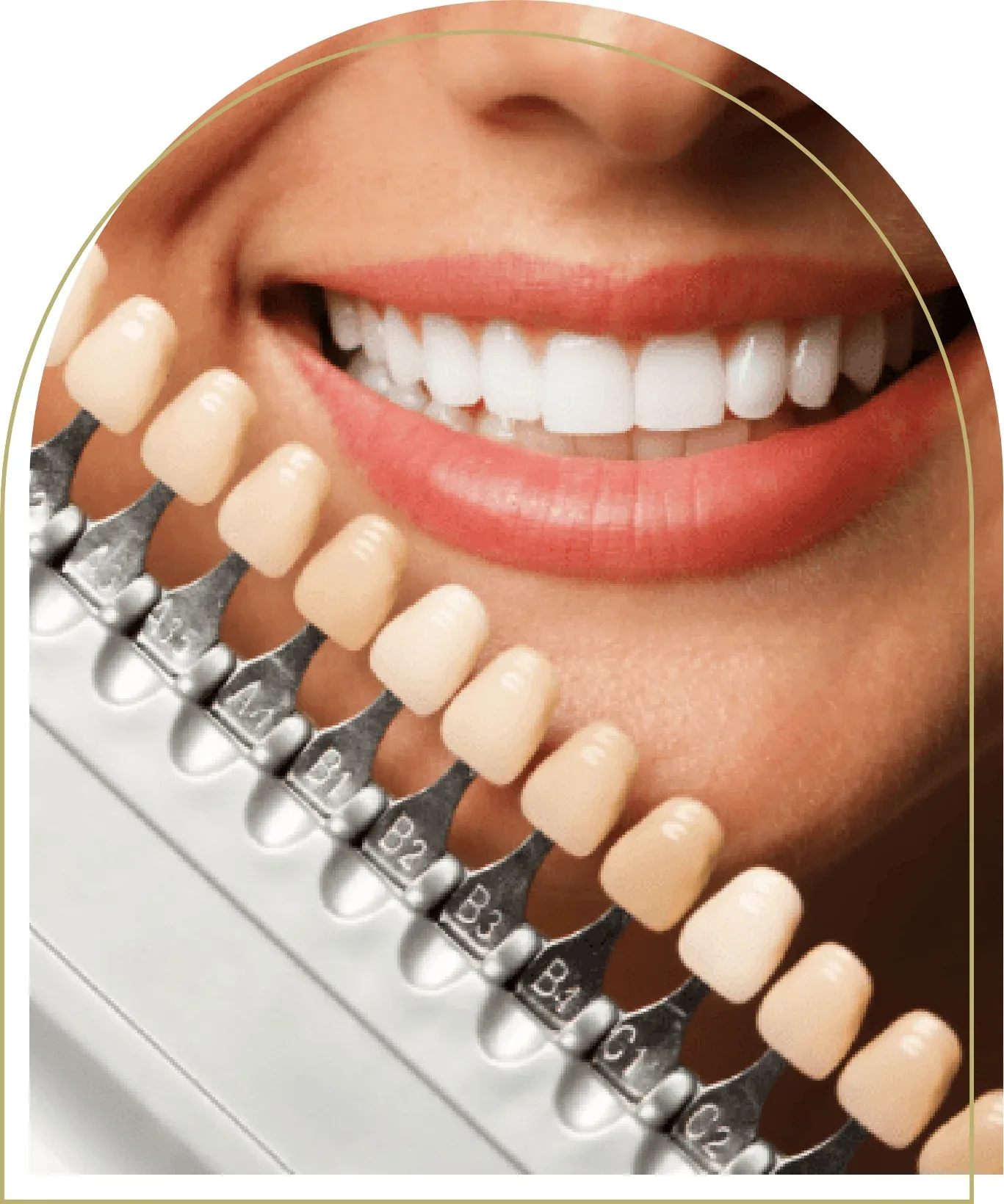
peroxide release oxygen molecules that break down chromogens within natural enamel. Composite resin does not contain the same organic structure as enamel, which is why oxidation cannot alter its shade. This material difference is fundamental and applies to all external whitening systems, including take-home trays and in-chair whitening treatments.
Composite resin, however, is completely non-porous. The material used in tooth bonding is designed to resist staining, which is generally a good thing. But this same quality means whitening agents simply can’t penetrate the surface to change its colour. The resin acts like a sealed barrier, keeping the bleaching chemicals out whilst your natural teeth around it absorb the whitening treatment
What Happens If You Try Whitening Strips Anyway?
Some patients try whitening strips hoping for different results, but this approach typically backfires. Not only will the bonding material remain unchanged, but you’ll likely end up with noticeable colour differences between your natural teeth and bonded areas. You might also experience increased tooth sensitivity on your natural teeth whilst seeing no improvement where you want it most.
📖 People also read about:
In some cases, repeated use of whitening products can even damage the bonding material itself, causing it to become dull or rough. This makes the bonded surface more prone to picking up stains from coffee, tea, red wine, and other stain-causing foods and drinks.
The Right Timing: Whiten Before Bonding, Not After
The best approach for patients who want both whiter teeth and composite bonding is simple: complete any whitening treatments before getting the bonding procedure. At Advanced Dental Care Dubbo, Dr Priya Shanmugalingam and her team typically recommend whitening your natural teeth first, then waiting about two weeks for the shade to stabilise. This allows the composite resin to be colour-matched to your newly brightened teeth, ensuring a uniform, attractive result.
This planning stage is crucial for achieving the smile you’ve envisioned. It’s similar to the careful timing required for other dental procedures (much like understanding why no dairy after dental implant surgery is recommended). Getting the sequence right prevents disappointment and costly corrections down the track.

Better Alternatives for Brightening Your Bonded Teeth
If your composite bonding has become discoloured or no longer matches your natural teeth, you’re not without options. Here are the solutions Dubbo dentists actually recommend:
1. Professional Polishing
Sometimes what looks like deep staining is actually just surface discolouration. Your dentist can professionally polish the bonded areas to remove superficial stains from coffee, tea, or tobacco. This quick procedure can restore much of the original lustre without replacing the bonding material entirely.
📖 People also read about:
2. Bonding Replacement
If the composite resin has genuinely discoloured or if there’s significant colour mismatch, replacing the old bonding is often the most effective solution. Modern composite materials are more stain-resistant than ever, and your dentist can match the new bonding to your current tooth shade. This gives you a fresh start with improved aesthetics.
Composite bonding typically lasts between 5 and 10 years, depending on oral hygiene, dietary habits, and bite forces. Attempting repeated whitening over bonded areas can accelerate surface wear and staining. Replacing bonding prematurely due to colour mismatch can increase long-term maintenance costs, which is why professional planning before whitening is always recommended.
💡 Need help?
We offer professional dentures services to help you achieve your goals.
Maintaining Your Bonding’s Appearance
Prevention is always better than correction. To keep your composite bonding looking its best for longer, follow these practical tips from experienced Dubbo dentists:
- Brush twice daily with a non-abrasive toothpaste
- Floss regularly to prevent plaque buildup around bonded areas
- Rinse your mouth with water after consuming staining beverages
- Avoid biting hard objects like ice or pen caps
- Schedule regular dental check-ups and professional cleans
- Consider a custom night guard if you grind your teeth
These habits help preserve both your natural teeth and bonded surfaces, extending the life of your cosmetic dental work.
Making Informed Decisions About Your Smile
Understanding the limitations of whitening strips on composite bonding helps you make smarter choices about your dental care. Whether you’re considering bonding for the first time or already have bonded teeth that need attention, the key is working with an experienced dentist who can guide you through the process.
Dr Priya Shanmugalingam, principal dentist at Advanced Dental Care Dubbo, has over 20 years of clinical experience in cosmetic and restorative dentistry. She regularly performs composite bonding, teeth whitening,

and smile enhancement procedures for patients across Dubbo and surrounding regions. Her treatment planning focuses on long-term oral health outcomes, precise shade matching, and minimally invasive techniques that preserve natural tooth structure.
Ready to Achieve Your Best Smile?
If you’re concerned about the appearance of your composite bonding or wondering about the right sequence for whitening and cosmetic treatments, the team at Advanced Dental Care Dubbo is here to help. Whether you need advice on maintaining existing bonding, replacing discoloured material, or planning comprehensive smile improvements, personalised guidance makes all the difference.
Don’t let confusion about whitening strips and bonding hold you back from the confident smile you deserve. Book a consultation with Dr Priya and her experienced team by calling (02) 6800 2682 or visiting the practice website. Together, you’ll create a tailored treatment plan that delivers beautiful, lasting results for your unique needs.