If the words “root canal” still make you wince, you’re not alone. For decades, this treatment has carried a reputation that simply doesn’t match the reality of how it’s performed today. In our dubbo clinic, we now see patients walk out genuinely surprised by how smooth the appointment felt, often saying it was easier than the filling they had last year.
Modern root canal therapy is a comfortable, predictable procedure that saves your natural tooth and gets you back to normal often within a single visit. Here’s an honest look at how the treatment works now, why it feels nothing like the procedures your parents may have described, and how to know if you might need one.
What Root Canal Therapy Actually Does
A root canal becomes necessary when the soft tissue inside your tooth, called the pulp, becomes infected or inflamed. This usually happens because of deep decay, a cracked tooth, repeated dental work on the same tooth, or trauma from a knock or fall. Left alone, the infection can spread, cause an abscess, and eventually lead to losing the tooth altogether.
The treatment itself is straightforward in principle. Your dentist numbs the area, removes the infected pulp, cleans and shapes the inner canals of the tooth, then seals everything to prevent reinfection. A crown is usually placed afterwards to protect the tooth and restore full chewing strength. The goal is always the same: keep your natural tooth in place rather than extracting it. In our experience, a well-treated tooth can serve you for decades, which is why we always look at saving it first before considering replacement.
Why Modern Treatment Feels So Different
The biggest shift in root canal therapy has been around patient comfort. A few things have changed how the procedure feels:
Better anaesthetics and delivery techniques. Today’s local anaesthetic options work faster, last longer, and target the exact area being treated. Most patients report feeling pressure but no actual pain during the procedure itself.
Rotary instruments instead of hand files. Nickel-titanium rotary tools shape the canals quickly and gently, cutting treatment time significantly and reducing the prolonged jaw fatigue patients used to experience.
📖 People also read about:
Digital imaging and apex locators. Precise 3D imaging means your dentist can see exactly what’s happening inside the tooth before, during, and after treatment. There’s far less guesswork, which translates to faster appointments and better long-term outcomes.
Single-visit treatments where suitable. Many straightforward root canals can now be completed in one appointment rather than spread across two or three visits.
📖 People also read about:
For most patients, the day of a root canal feels similar to having a routine filling. The recovery is also gentler than people expect, with mild tenderness typically settling within a few days.
Signs You Might Need a Root Canal
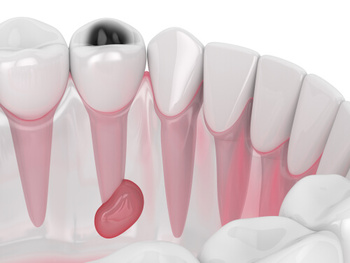
It’s worth knowing the warning signs early, because catching pulp infection sooner usually means a simpler treatment. Common symptoms include persistent toothache that disrupts sleep, sharp pain when biting down, lingering sensitivity to hot or cold long after the trigger is gone, swelling or tenderness in the gum near a specific tooth, or a small pimple-like bump on the gum.
💡 Need help?
We offer professional dentures services to help you achieve your goals.
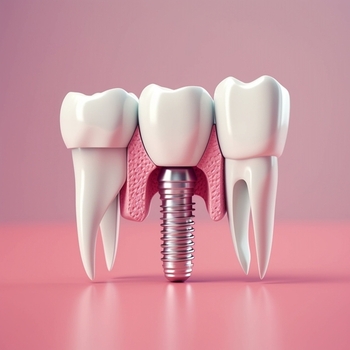
Sometimes there’s no obvious pain at all, just discolouration of a single tooth or something that shows up on a routine X-ray. We’ve had plenty of patients come in for unrelated check-ups only to find an issue brewing quietly, which is why regular visits matter so much. If you’re weighing up your options between saving the tooth and replacement, our guide on root canal vs dental implants walks through both paths in detail so you can talk it through with your dentist.
What to Expect at Your Appointment
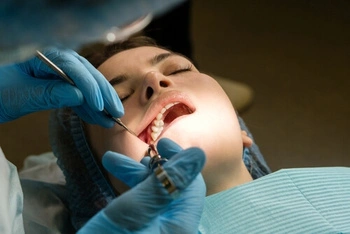
When you come in for root canal therapy at our Dubbo clinic, the process usually follows a familiar pattern. We start with a thorough examination and digital X-rays to confirm the diagnosis and plan the treatment. The area is then fully numbed before anything begins. A small protective sheet called a rubber dam is placed around the tooth to keep it clean and dry during the procedure.
Once treatment is underway, you’ll feel the dentist working but shouldn’t feel sharpness or pain. The cleaning and shaping of the canals is the bulk of the appointment. After the tooth is sealed, we talk through the next step, which is almost always a crown to fully protect the tooth long term. Most patients drive themselves home, return to work the next day, and find the tooth functions normally within a week or two.
Why Patients Across the Central West Choose Us

Dr Priya Shanmugalingam has more than 20 years of experience in general and complex restorative dentistry, including root canal treatments, and is a member of the Australian Dental Association. Our purpose-built clinic on Whylandra Street uses modern equipment because we genuinely believe better tools deliver more comfortable, more predictable care. Patients travel to us from across the Central West, including Mudgee, Narromine, Wellington, and Gilgandra, often because their friends or family told them how easy their visit was.
If you suspect you need a root canal, or you’ve been told you do and want a second opinion, the sooner you act, the more options you have. Don’t sit with the pain hoping it passes.
Book your consultation with Advanced Dental Care Dubbo today and find out how gentle modern root canal therapy can be.