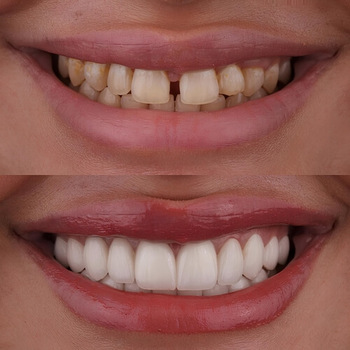
A gap between your front teeth, known clinically as a diastema, is more common than most people realise. Some dubbo locals love the character it gives their smile, while others have spent years hiding it in photos. If you sit in the second camp, the good news is you have three solid paths forward: orthodontics, veneers, or composite bonding. The right choice depends on the size of the gap, the health of your bite, your budget, and how quickly you want results.
Here is what each option actually involves, and how to think about which one suits you.
Why gaps happen in the first place
Diastemas can show up for several reasons. Sometimes there is a mismatch between the size of your teeth and the size of your jaw, so the teeth simply do not meet in the middle. A large labial frenum (the piece of tissue connecting your upper lip to your gum) can push the two front teeth apart, while gum disease, missing teeth, thumb-sucking in childhood, or even an incorrect swallowing pattern can also play a part.
This matters because the cause shapes the treatment. In our Dubbo clinic, we often see patients who have spent money on a cosmetic fix elsewhere only for the gap to slowly reopen, usually because the underlying bite or tongue habit was never addressed. A proper diagnosis up front is what separates a quick patch from a result that holds for years.
Option 1: Orthodontics (braces or clear aligners)
Orthodontic treatment is the most thorough way to close a gap because it moves the teeth themselves into a new position. This addresses the alignment and the bite, not just the look.
Modern options include traditional braces and clear aligners such as Invisalign and Spark, both of which Dr Priya is certified to provide. Treatment typically runs from six months to two years depending on how much movement is needed, and we use 3D digital scans rather than putty impressions to map your treatment plan with precision. If you would like to discuss whether aligners suit your gap, you can book a consultation with our cosmetic dentistry team in Dubbo for a personalised assessment.
📖 People also read about:
Best for: Larger gaps, multiple spaces, bite issues, or anyone wanting a long-term structural fix. Worth knowing: A retainer is needed afterwards to keep the teeth in their new position.

Option 2: Porcelain veneers
Veneers are thin, custom-made shells of porcelain bonded to the front surface of your teeth. They do not move the teeth, but they reshape them, which can close small to medium gaps in just a couple of visits. Because porcelain is stain-resistant and reflects light similarly to natural enamel, results look polished and last for many years with proper care.
The trade-off is that a small amount of enamel is usually shaped to make room for the veneer, which makes the treatment irreversible. At Advanced Dental Care, we use digital smile design software to show you a mock-up of the likely result before any preparation begins, so you can see and approve the shape and shade in advance.
📖 People also read about:
Best for: Patients who want to fix the gap and improve colour, shape, or symmetry at the same time. Worth knowing: Veneers cannot correct a misaligned bite. If your bite is off, we will usually recommend aligners first, then veneers, to protect the long-term result.
Option 3: Composite bonding
Composite bonding (sometimes called dental bonding) uses a tooth-coloured resin sculpted directly onto your tooth, then hardened with a curing light. It is the quickest and most affordable of the three options, usually finished in a single visit with no anaesthetic needed.
💡 Need help?
We offer professional dentures services to help you achieve your goals.
Because no enamel is removed, bonding is reversible. The trade-off is durability: composite is more likely to chip or stain than porcelain and generally needs touch-ups every few years. It is also best suited to small gaps, since adding too much resin across a wide space can leave the teeth looking bulky or out of proportion with the rest of the smile.
Best for: Small front-tooth gaps, tight budgets, or anyone wanting same-day results. Worth knowing: Avoid coffee, red wine, and smoking in the first 48 hours after treatment to protect the colour while the resin fully sets.
So which option is right for you?
Use this as a quick guide:
- Small cosmetic gap, want it sorted today: composite bonding.
- Small to medium gap, want long-lasting aesthetics and willing to invest: porcelain veneers.
- Larger gap, multiple gaps, or bite concerns: orthodontics first, with veneers or bonding as an optional finishing touch.
There is no single “best” answer, only the best answer for your teeth, your goals, and your lifestyle. In many of the smile makeover cases we plan at our Whylandra Street clinic, two options work together beautifully, for example using clear aligners to close most of the space and then refining the final shape with a small amount of bonding.
The next step

If you have been quietly comparing options for years, an in-person assessment removes the guesswork. We will review your bite, check the health of the supporting gum, take 3D digital photos, and show you a preview of the likely result before any treatment begins, all within a 30-minute Smile Makeover Consultation. To talk through your options with a locally experienced team, get in touch with Advanced Dental Care Dubbo and book your consultation today.